Categories
Blog Engineering FEA Research Research Work

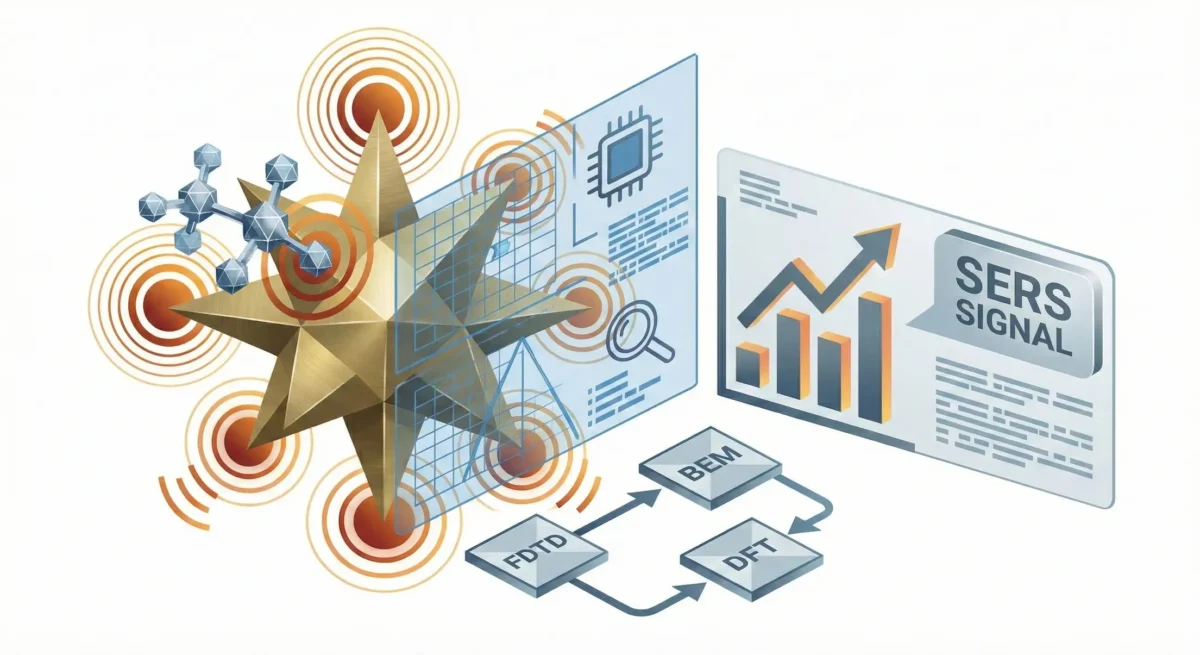
Simulation of Surface-Enhanced Raman Scattering (SERS)

Surface-Enhanced Raman Scattering (SERS) is a powerful technique that amplifies Raman signals of molecules adsorbed on nanostructured metallic surfaces. This enhancement enables the detection of trace levels of chemical and biological species, making SERS a cornerstone in modern analytical chemistry, biosensing, and nanophotonics. In this article, we dive into the principles, simulation methodologies, and future […]

Categories
Blog Engineering FEA Manuscript Research Research Work

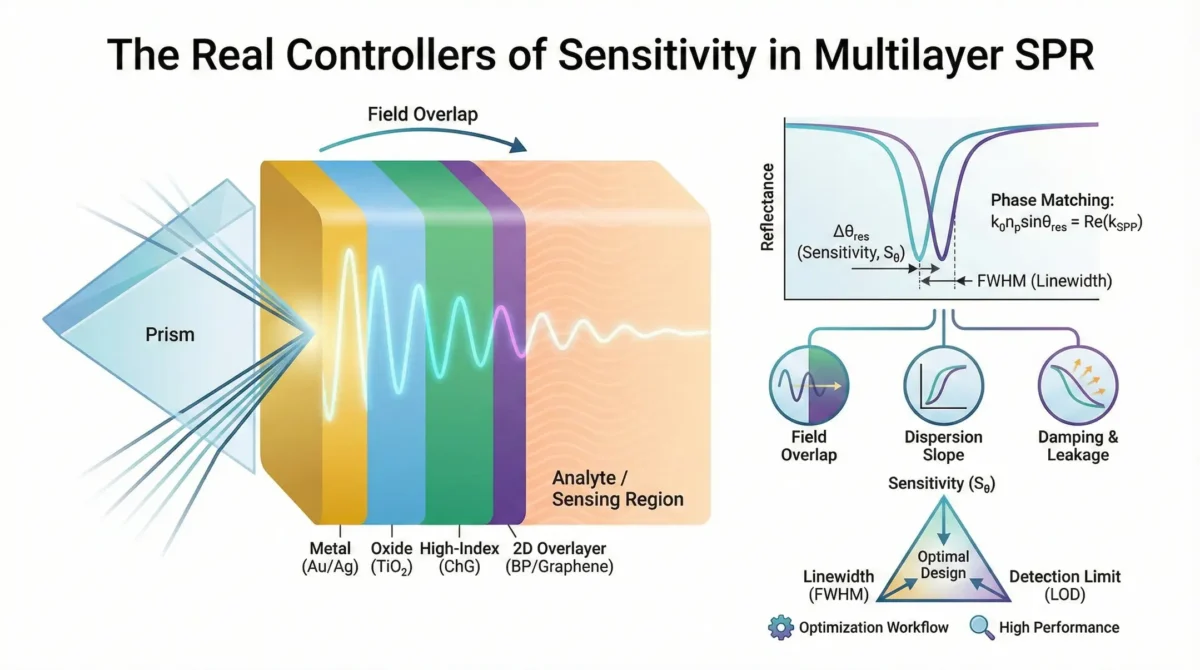
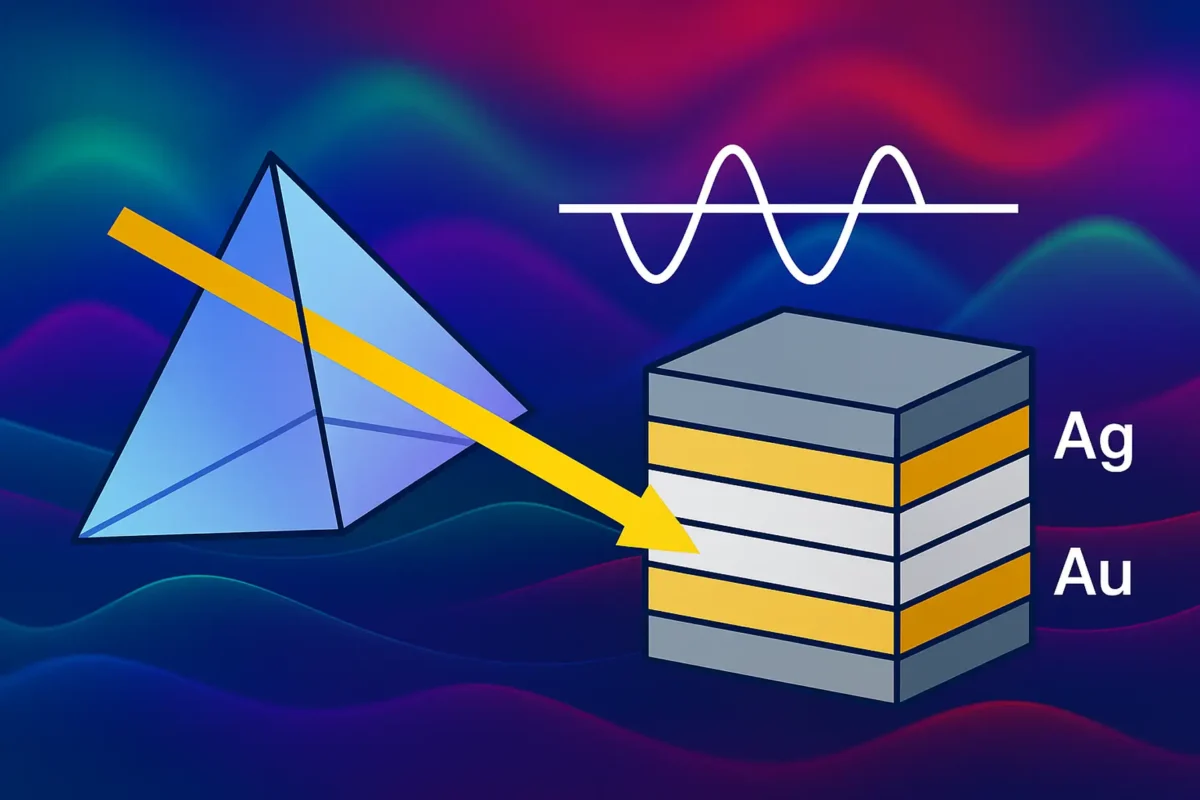
What Really Controls Sensitivity in Multilayer SPR Structures?

Why this question matters now We open with the modern reality: most “high-performance” SPR sensors are no longer just prism/metal/analyte. Once you add oxides, high-index films, and 2D overlayers, sensitivity can improve dramatically—but so can linewidth, drift, and fabrication sensitivity. This section frames the goal of the article: to explain what actually controls sensitivity in […]

Categories
Blog Data Analysis Engineering FEA Manuscript Physics & Chemistry Python Research Research Work

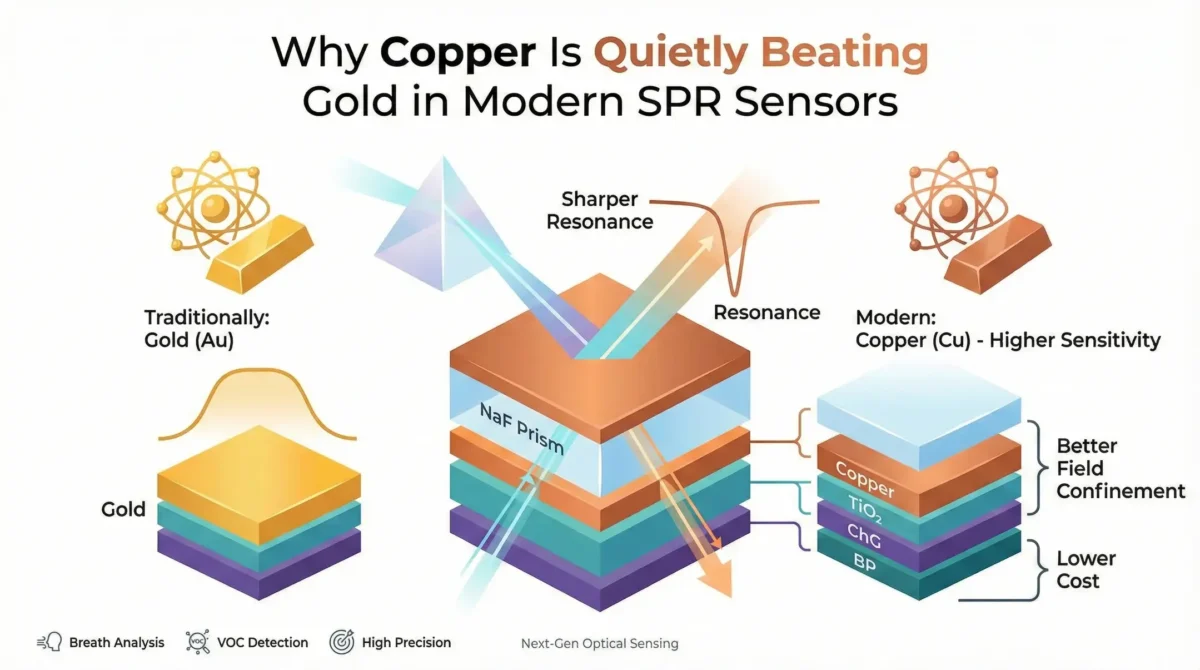
Why Copper Is Quietly Beating Gold in Modern SPR Sensors

The Quiet Revolution in Plasmonic Sensing Surface Plasmon Resonance (SPR) has long stood at the forefront of optical sensing technologies—renowned for its label-free detection, real-time analysis, and ultra-sensitivity to minute changes in the refractive index (RI) of nearby media. In biological, chemical, and environmental diagnostics, SPR sensors provide a reliable window into molecular interactions, gas-phase […]

Categories
Engineering Blog FEA Research Research Work

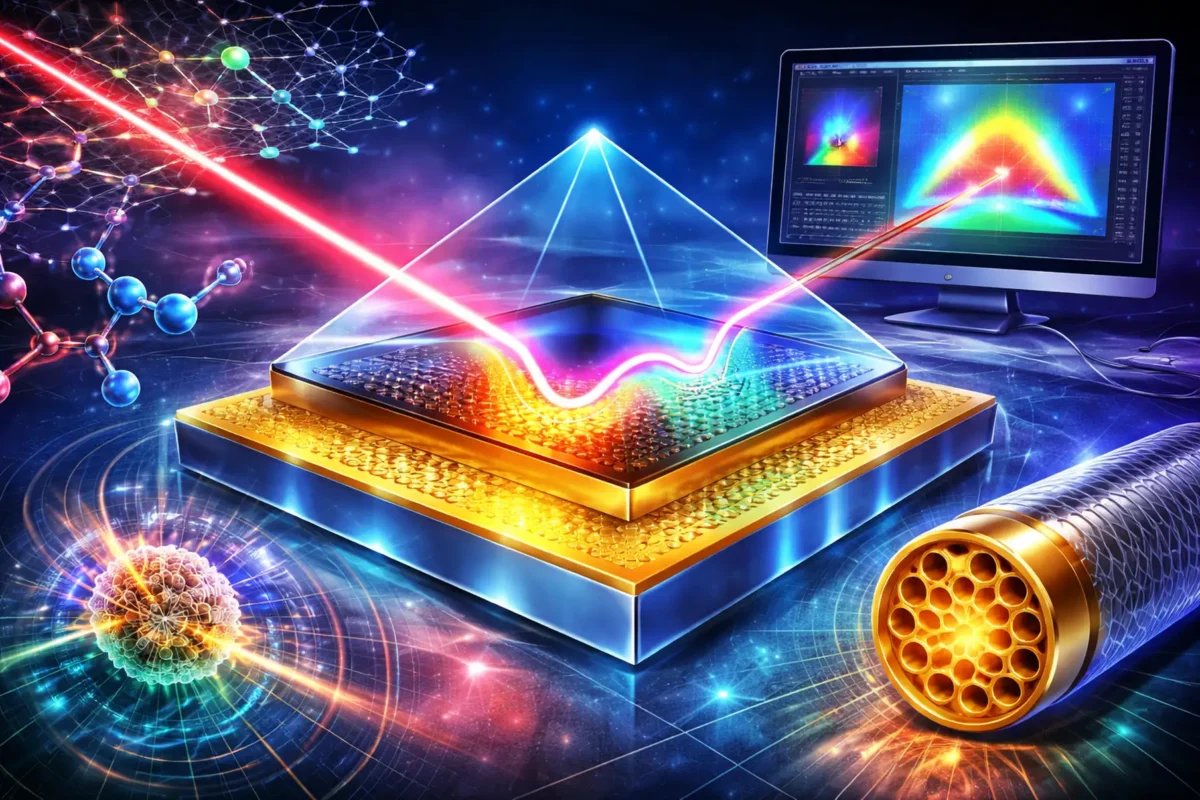
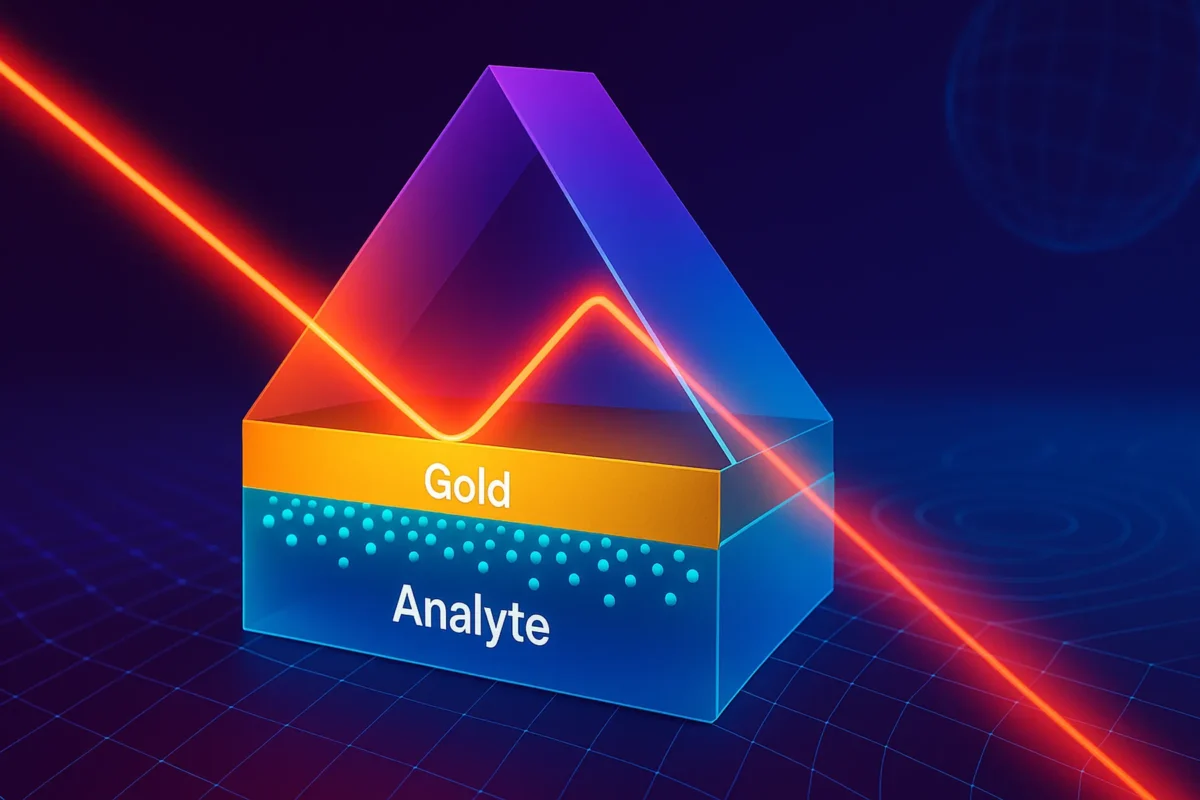
From Maxwell’s Equations to Microchips: A Comprehensive Guide to SPR Sensor Simulation

1. Introduction: The Digital Twin of Plasmonic Sensing Surface Plasmon Resonance (SPR) represents one of the most powerful and sensitive label-free detection techniques in modern photonics. Characterized by the resonant oscillation of free electrons at a metal-dielectric interface, SPR sensors have found widespread applications in biosensing, chemical detection, and environmental monitoring. However, their development traditionally […]

Categories
Physics & Chemistry Data Analysis FEA Python Research Research Work

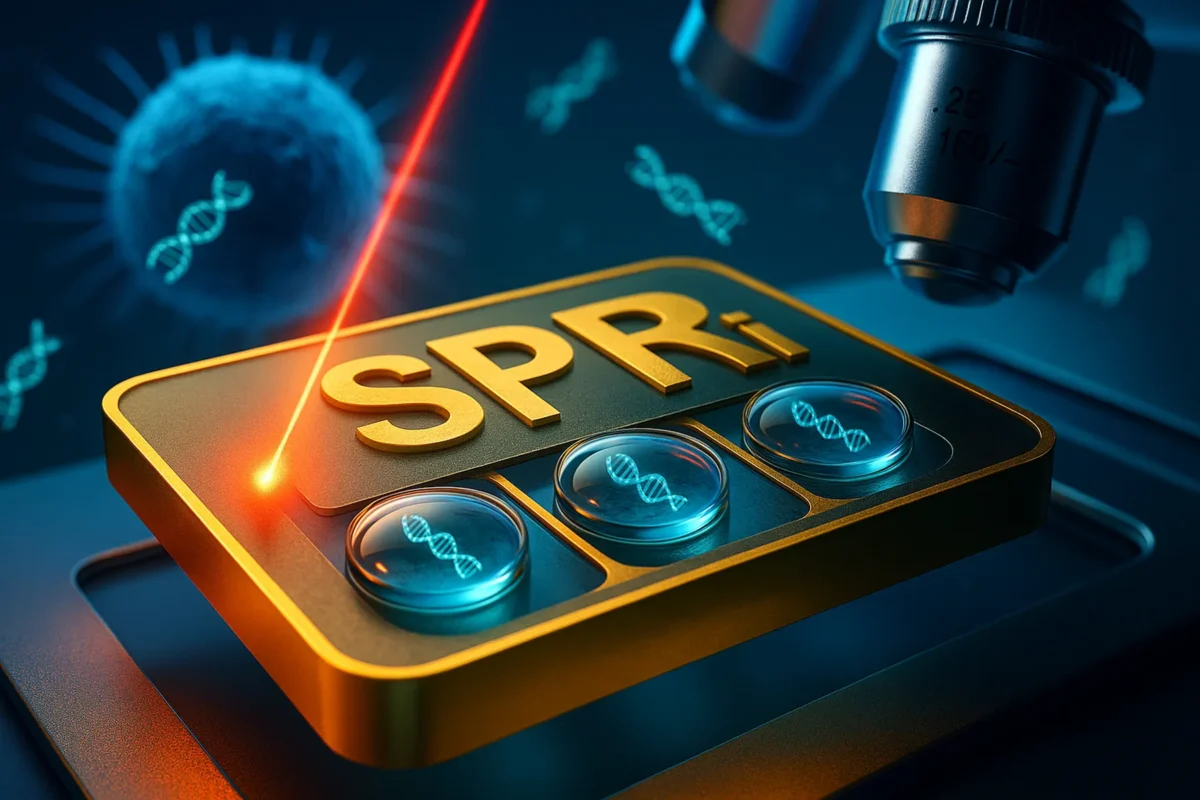
Driving Scientific Research Forward with Innovative SPR Imaging and Analysis Platforms

Introduction Surface Plasmon Resonance Imaging (SPRi) has emerged as a vital optical sensing technique in the toolbox of modern biological research. Unlike conventional assays that depend on labeling or indirect detection, SPRi provides a label-free, real-time modality to monitor biomolecular interactions across multiple analytes simultaneously. This unique combination of high-throughput screening and non-destructive testing has […]

Categories
FEA Blog Data Analysis Engineering Physics & Chemistry Productivity Research Research Work simulation Solver

Zeta Potential Measurement and Research

Introduction Zeta potential, often denoted as ζ-potential, is the electrokinetic potential that develops at the slipping plane of a particle in a liquid medium. It quantifies the electrical potential difference between the dispersion medium and the stationary layer of fluid attached to the dispersed particle. In simple terms, it measures the degree of electrostatic repulsion […]

Categories
Blog Data Analysis Engineering FEA Physics Physics & Chemistry Research Research Work

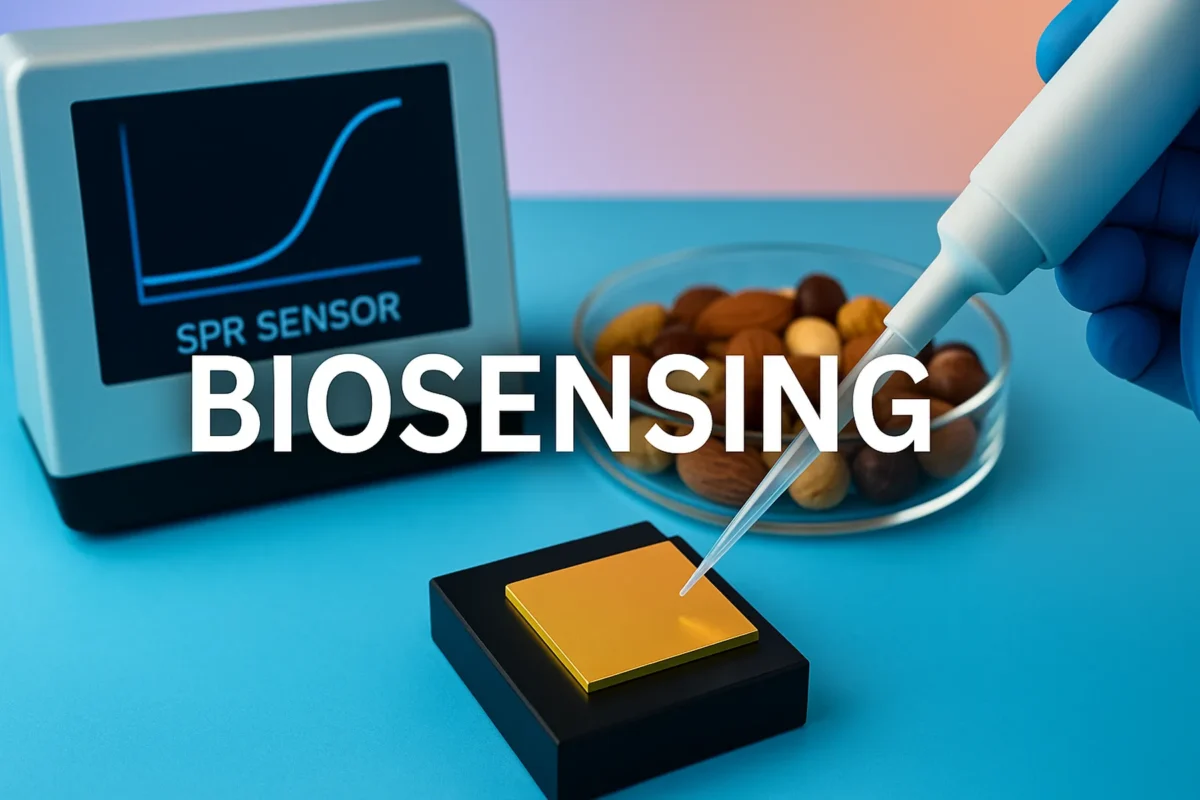
Enhancing Food Safety and Quality Assurance Using SPR Sensor Technologies

Introduction Surface plasmon resonance (SPR) sensors have emerged as a critical innovation in the landscape of food safety and quality control. Defined as a label-free, real-time optical biosensing technique, SPR functions by detecting refractive index changes near a sensor surface, typically a gold film, allowing precise identification of biomolecular interactions. Its relevance in food safety […]

Categories
Blog Engineering Manuscript Physics Physics & Chemistry Research Research Work Science simulation

Applying SPR Imaging Technologies for Real-Time Monitoring of Cellular Dynamics and Drug Screening

Introduction Surface Plasmon Resonance Imaging (SPRI) has emerged as a pivotal label-free optical technique that enables real-time observation of biomolecular interactions and cellular dynamics. Unlike conventional fluorescence-based assays, SPRI relies on monitoring changes in the refractive index at a metal-dielectric interface—typically involving gold films—making it highly sensitive to surface-bound molecular events. This unique capability allows […]

Categories
Blog FEA Research Research Work

Surface Plasmon Resonance (SPR) Sensor Using Glass

Surface Plasmon Resonance (SPR) is a powerful optical sensing technique used to detect molecular interactions in real-time without the need for labeling. A typical SPR sensor configuration often involves a metal-dielectric interface, where surface plasmons are excited under specific conditions. Glass plays a crucial role in these sensors, particularly as a substrate or a prism […]

Categories
AI Revolution Blog publication Research Research Work

A Strategic Guide to Writing a Masters Thesis

Introduction Writing a master’s thesis represents one of the most intellectually demanding yet personally rewarding phases in a student’s academic life. It stands as both a test of mastery in a chosen field and a bridge between student inquiry and professional research. A thesis is not simply an extended essay—it is a structured, original investigation […]