Categories
Blog Engineering FEA Research

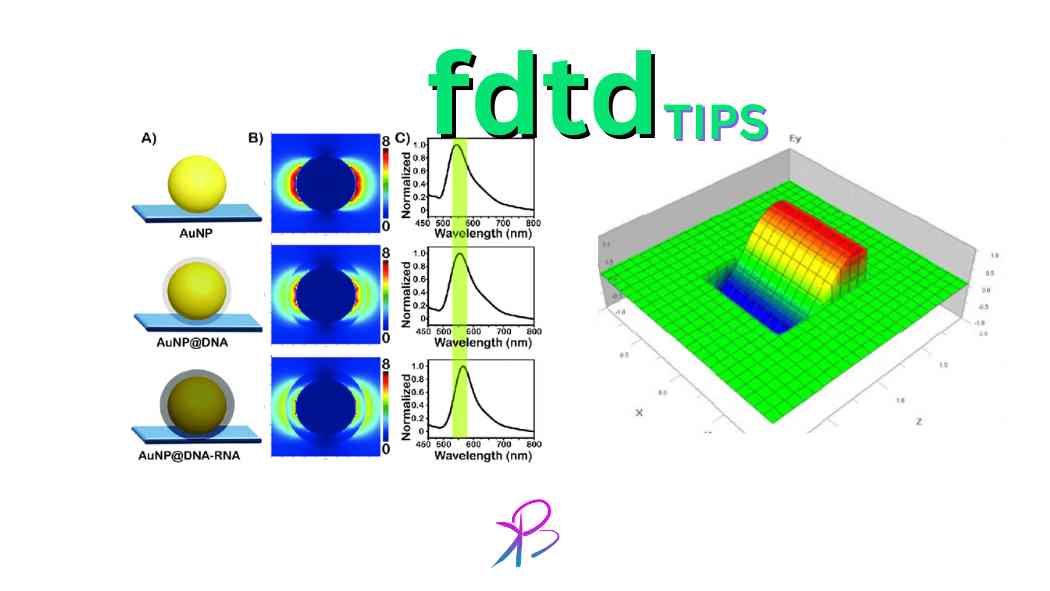
Tips for Finite Element Analysis (FEA) Simulation

Introduction Finite Element Analysis (FEA) is a powerful computational tool used to predict how objects behave under various physical conditions. Whether you’re designing a new product or testing the structural integrity of an existing one, FEA can save time and resources. Here are some essential tips to ensure your FEA simulations are accurate, efficient, and […]

Categories
Blog Engineering FEA Research Solver

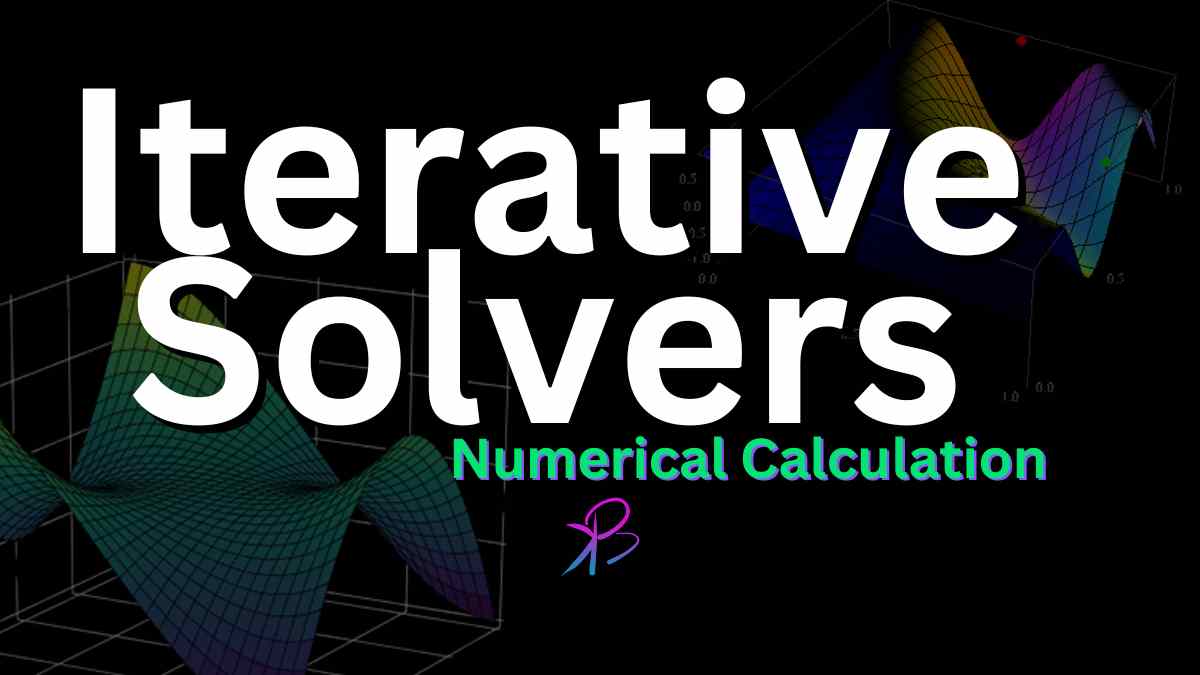
Iterative Solvers : Conjugate Gradient Method

The Conjugate Gradient (CG) method is a powerful algorithm used to solve large systems of linear equations, particularly those arising from the discretization of partial differential equations. This method is especially useful for sparse, symmetric, and positive-definite matrices. In this blog post, we’ll delve into the intricacies of the Conjugate Gradient method, exploring its principles, […]

Categories
Blog COMSOL COMSOL General Articles Engineering FEA Research

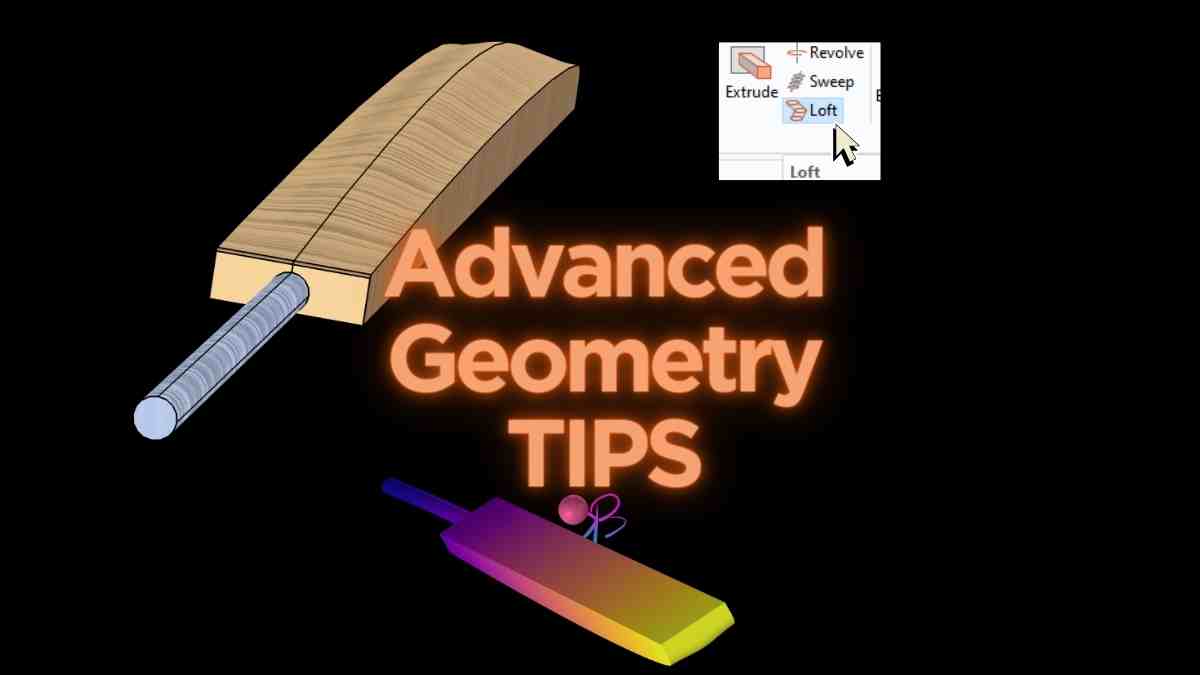
Geometry tips in COMSOL

Geometry tips in COMSOL : Creating complex geometries in COMSOL Multiphysics can be a challenging yet rewarding task. Whether you’re designing intricate microfluidic devices or simulating large-scale structural components, mastering the art of geometry creation is essential for accurate and efficient simulations. In this blog post, we’ll delve into advanced tips and tricks for building […]

Categories
Blog COMSOL COMSOL General Articles FEA Modules Research

COMSOL Multiphysics Modules: Choose the Right Ones for Your Needs

COMSOL Multiphysics Modules : COMSOL Multiphysics is a powerful simulation software suite that offers an array of specialized modules to cater to various scientific and engineering needs. Choosing the right modules is crucial for maximizing the effectiveness of your simulations. Here’s a guide to help you navigate the complex world of COMSOL modules and select the ones that best fit your project requirements. Note that this is purely based on personal experience and understanding.

Categories
Blog COMSOL COMSOL General Articles FEA Research

COMSOL Multiphysics Pro Tips – Save Time and Money

COMSOL Multiphysics Pro Tips – Navigating the complexities of COMSOL Multiphysics doesn’t have to be a wallet-draining, time-consuming endeavor. Whether you’re a seasoned engineer or a budding scientist, mastering this powerful simulation software can be as rewarding as it is challenging. Here’s your guide to making the most out of COMSOL without breaking the bank or the clock. Let’s dive into some savvy strategies to boost your productivity and keep your simulations on a budget-friendly track! 🎢

Categories
Blog FEA Physics & Chemistry Research Science

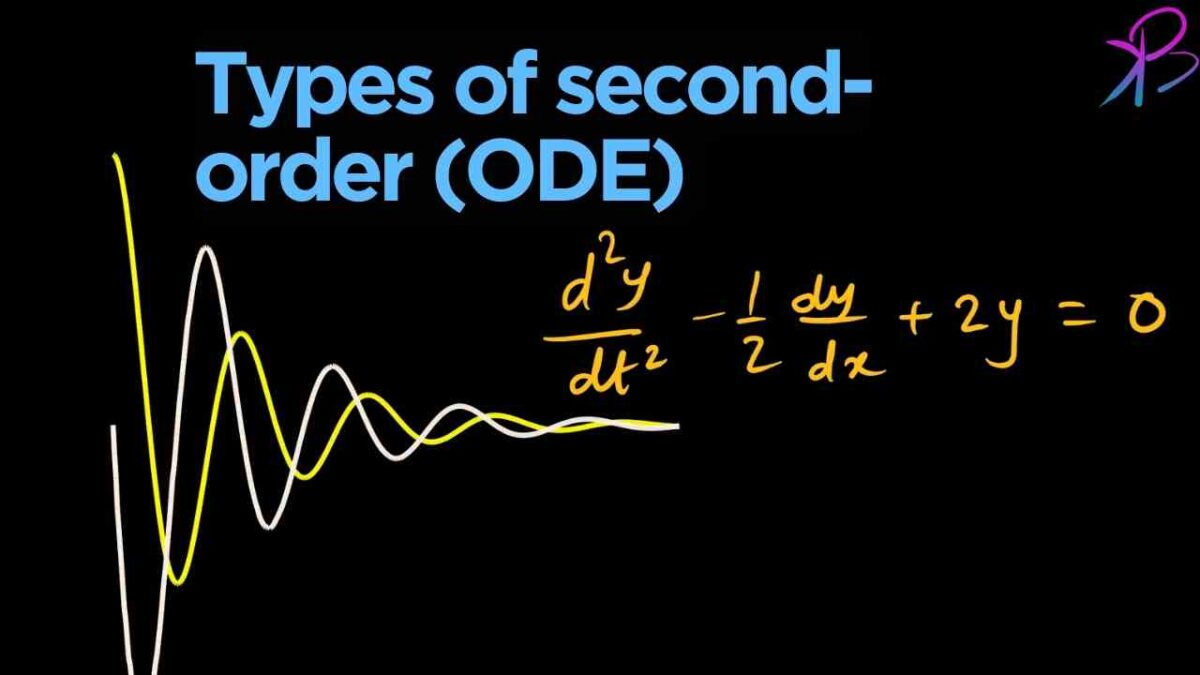
Types of Second-Order Differential Equations

Diving into the world of differential equations can be as thrilling as exploring a hidden treasure trove. Today, we’re setting sail on the vast ocean of second-order differential equations, a cornerstone of mathematical analysis used in physics, engineering, and beyond. 🚀 check tutorial 1. Introduction to Second-Order Differential Equations Before we start our deep dive, […]

Categories
Blog FEA General Knowledge Physics Research Science Technology

Phase Transition From Ice to Water using FEA

Phase Transition From Ice to Water using FEA – Have you ever paused to consider the simple act of ice melting into water? This everyday occurrence is a complex ballet of physics, a phase transition where solid ice turns into liquid water. But what drives this transformation? It’s all about energy and molecular rearrangements.

Categories
Blog COMSOL COMSOL General Articles FEA Research

COMSOL Multiphysics Tips and Tricks

COMSOL Multiphysics Tips and Tricks : When you start using COMSOL Multiphysics, think of its interface as your command center for simulations. It’s like your hub for exploring different modules, study types, and solver setups. The design is pretty intuitive, making it easy to navigate around. The trick is getting to know how all these parts work together smoothly, kind of like the gears in a machine, to drive your simulation process forward.

Categories
Blog FEA Research

FEM Simulation Tips and Strategies

In the intricate world of engineering and scientific analysis, the Finite Element Method (FEM) stands out as a powerful tool that transforms complex physical problems into manageable computational tasks. At the heart of FEM lies the concept of ‘meshing’, a critical step where the physical domain is discretized into smaller, simpler pieces known as elements. These elements, when combined, form a ‘mesh’ that represents the physical structure in a numerical form. The effectiveness of an FEM simulation largely hinges on the quality of this mesh, making it a focal point for engineers and scientists alike.

Categories
Blog FEA Research

Finite Element Method Meshing: Everything You Need to Know

Finite Element Method Meshing : In the vast universe of engineering and scientific computation, the Finite Element Method (FEM) stands out as a shining star. It’s a powerful technique used to solve complex physical problems by subdividing them into smaller, more manageable elements – a process known as meshing. But why is meshing so crucial in FEM? Imagine trying to solve a jigsaw puzzle.