Categories
Blog Engineering FEA Research Work simulation

Eddy Currents in Induction Heating

The Role of Eddy Currents in Induction Heating Eddy Currents in Induction Heating : Induction heating is a highly efficient method for heating conductive materials, widely used in industrial applications such as metal hardening, welding, brazing, and cooking. The primary mechanism driving induction heating is the generation of eddy currents, which produce localized heating within […]

Categories
Blog Engineering FEA Research simulation

What is Multiphysics Modeling

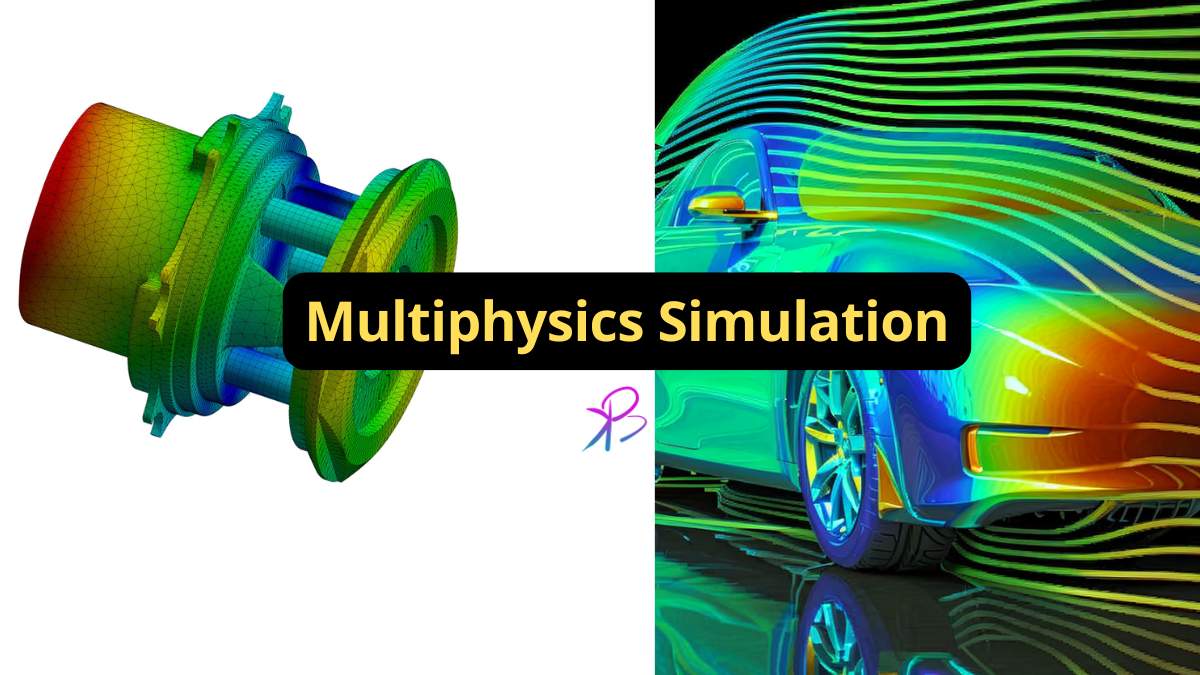
MultiPhysics Modeling is a transformative computational approach that allows engineers and scientists to simulate multiple physical phenomena—such as heat transfer, fluid dynamics, structural mechanics, and electromagnetism—and their interactions within a single system. Unlike traditional single-physics simulations, this method captures the complex interplay of forces at work in real-world scenarios, making it indispensable for designing everything […]

Categories
Blog COMSOL COMSOL General Articles Data Analysis DFT Engineering FEA Research Science simulation

Thermoelectric Modeling in FEA

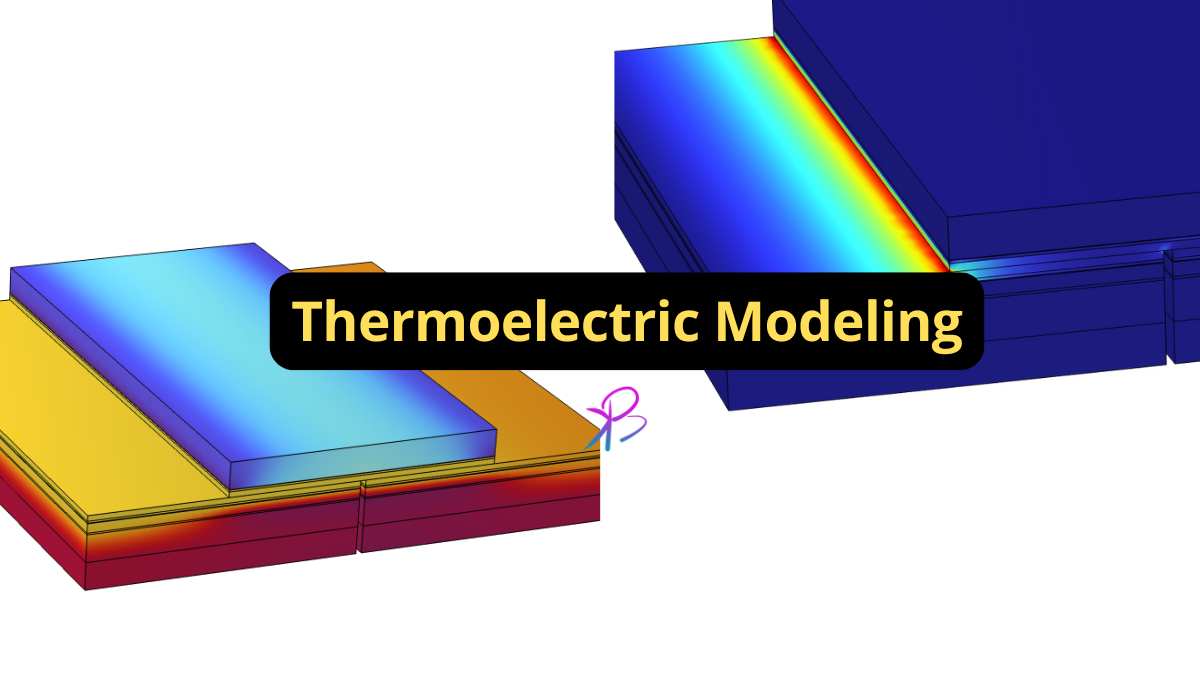
Thermoelectric modeling involves simulating the direct conversion of heat energy into electrical energy (and vice versa) using numerical methods like Finite Element Analysis (FEA). This approach enables engineers and researchers to design, optimize, and validate thermoelectric devices such as thermoelectric generators (TEGs), Peltier coolers, and energy harvesting systems. FEA helps in solving complex multi-physics interactions […]

Categories
Blog Engineering FEA Research

The Finite Element Method

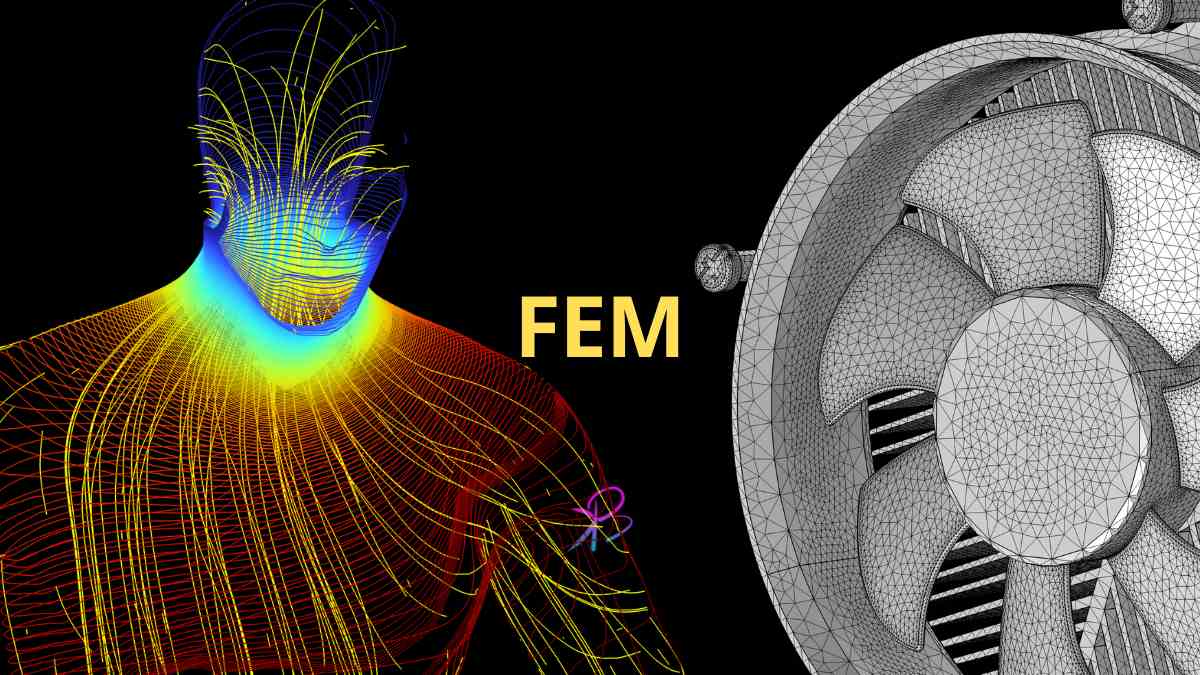
Introduction The Finite Element Method (FEM) is a powerful numerical technique used to solve complex engineering and physical problems. It has become an indispensable tool in various fields, including structural analysis, heat transfer, fluid dynamics, electromagnetism, and biomechanics. The method’s versatility and robustness make it applicable to a wide range of real-world problems, from designing […]

Categories
Research Atomic Blog Engineering ML & AI simulation

New Features of BIOVIA Materials Studio 2024

BIOVIA Materials Studio has long been a cornerstone for researchers and scientists working in materials science, offering cutting-edge tools for simulating, designing, and analyzing materials at atomic, molecular, and microscale levels. With the release of Materials Studio 2024, Dassault Systèmes introduces a host of updates and features that promise to enhance research capabilities across diverse […]

Categories
Blog ansys Engineering Python

Top 10 Python Tips for Streamlining ANSYS Workflows

Python has become an essential tool for automating, customizing, and enhancing simulations in ANSYS. Whether you’re working with ANSYS Workbench, Mechanical APDL, or ANSYS Fluent, Python scripting can save time, streamline workflows, and expand the platform’s capabilities. To help you make the most of Python in ANSYS, here are ten top tips: 1. Understand the […]

Categories
Blog ansys Engineering Research

Ansys Workbench Vs Discovery

Ansys Workbench Vs Discovery – Engineering simulations have become a cornerstone of modern product development, enabling engineers to test, refine, and optimize designs virtually before building physical prototypes. Among the many simulation tools available, ANSYS Workbench and ANSYS Discovery stand out as two popular platforms from ANSYS. While both offer powerful capabilities, they serve different […]

Categories
Blog ansys Engineering Research

Introduction Ansys Workbench

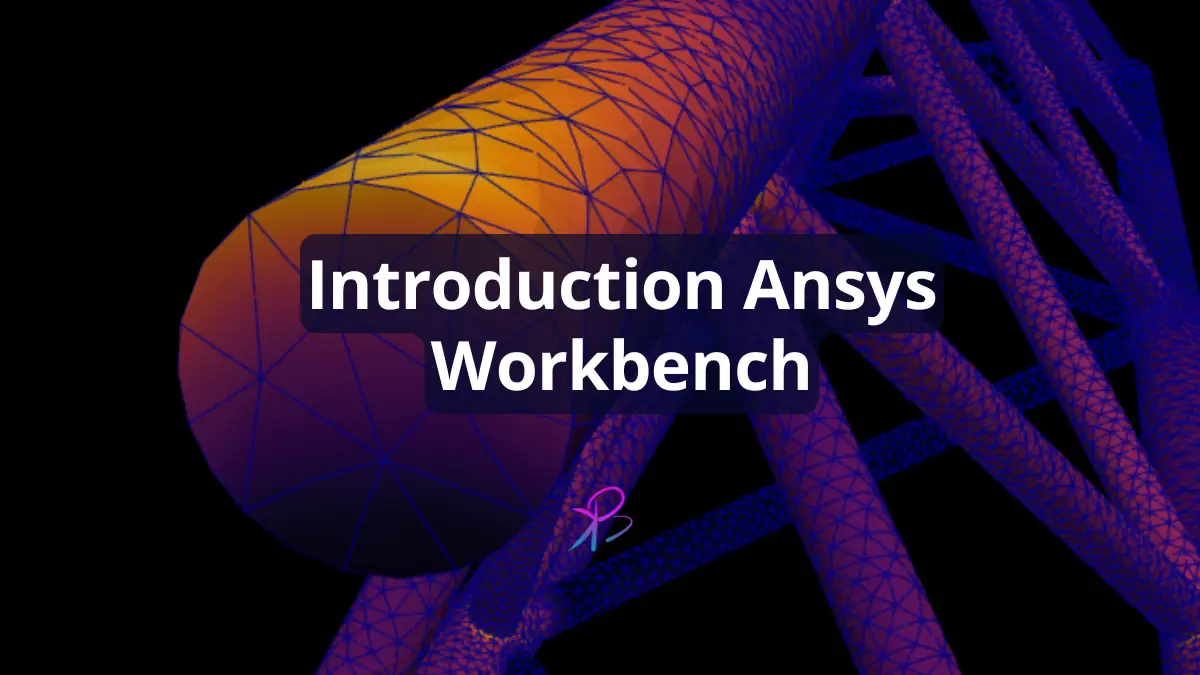
Engineering innovation has always relied on two critical factors: creativity and precision. In the world of modern engineering, the tools that bridge the gap between these two factors are indispensable. Among these tools, ANSYS Workbench stands out as a leading simulation platform that has revolutionized the way engineers design, test, and optimize products. This article […]

Categories
ansys Blog Engineering simulation Software & Apps

Guide to Solver Setup in ANSYS Fluent

When working with computational fluid dynamics (CFD) simulations, the solver setup in ANSYS Fluent plays a critical role in ensuring accurate and efficient results. Choosing the right configuration can make all the difference in addressing specific flow characteristics, whether dealing with incompressible water flows or high-speed supersonic aerodynamics. This guide explores the essential components of […]

Categories
Blog ansys COMSOL Engineering Research Work simulation

What differs Ansys and COMSOL?

To understand the differences between ANSYS and COMSOL Multiphysics, let’s explore their features, functionalities, and strengths across multiple parameters. Remember, these are based on my personal understanding, you can use any of the tool with your experience and use your custom workflow to achieve your desired result but this particular article is just a general […]