Categories
Blog Physics & Chemistry Science simulation Topic

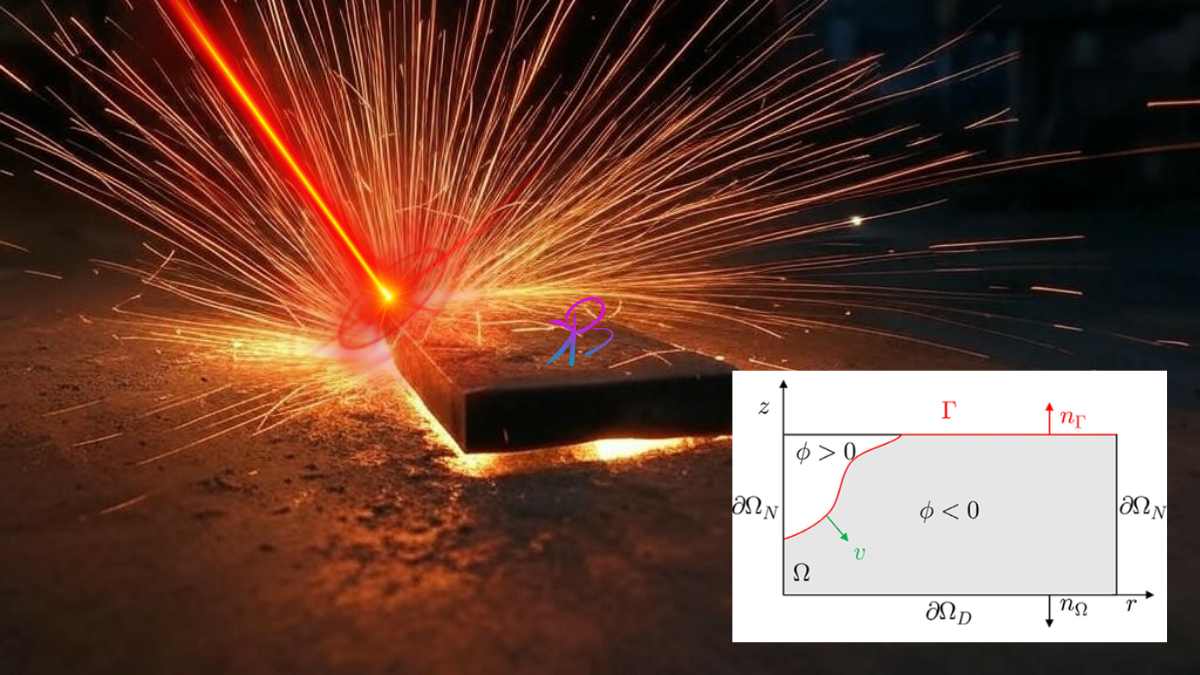
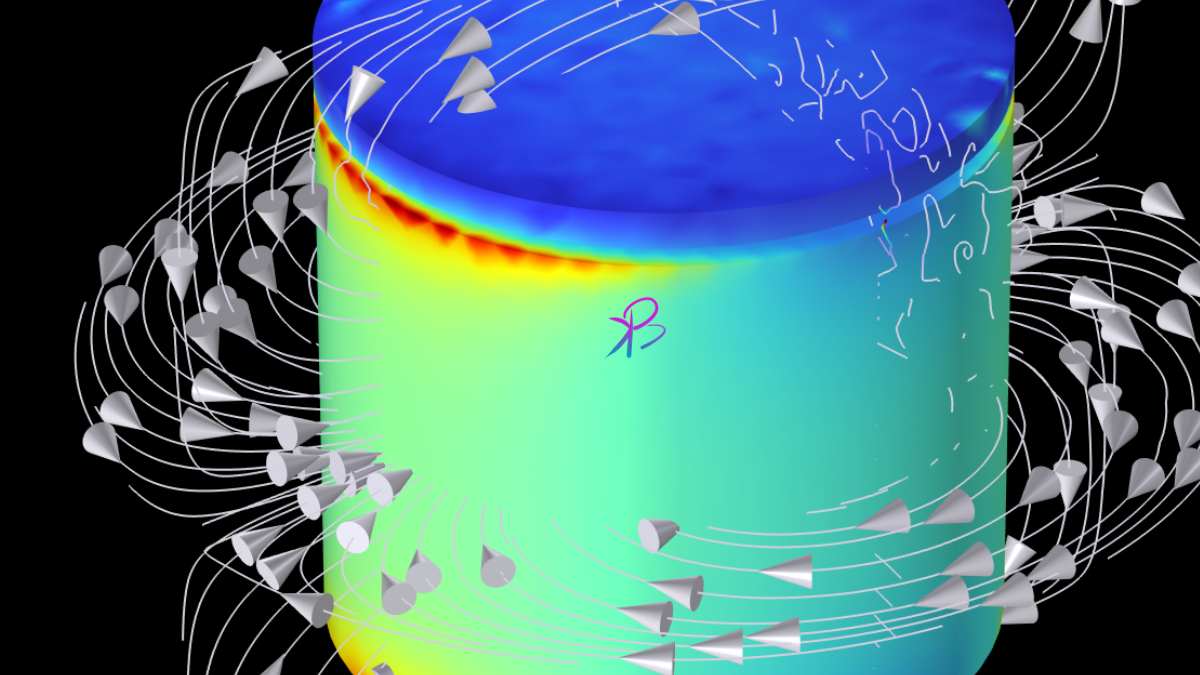
Power Dissipation of Eddy Currents

Eddy currents are circulating electric currents induced in conductors due to a changing magnetic field. These currents generate resistive heating, leading to energy dissipation. Understanding the power loss due to eddy currents is crucial in applications such as electrical machines, transformers, induction heating, and electromagnetic shielding. This article derives the formula for power dissipation per […]

Categories
Blog Engineering FEA Research Work simulation

Eddy Currents in Induction Heating

The Role of Eddy Currents in Induction Heating Eddy Currents in Induction Heating : Induction heating is a highly efficient method for heating conductive materials, widely used in industrial applications such as metal hardening, welding, brazing, and cooking. The primary mechanism driving induction heating is the generation of eddy currents, which produce localized heating within […]

Categories
Blog Engineering FEA Research simulation

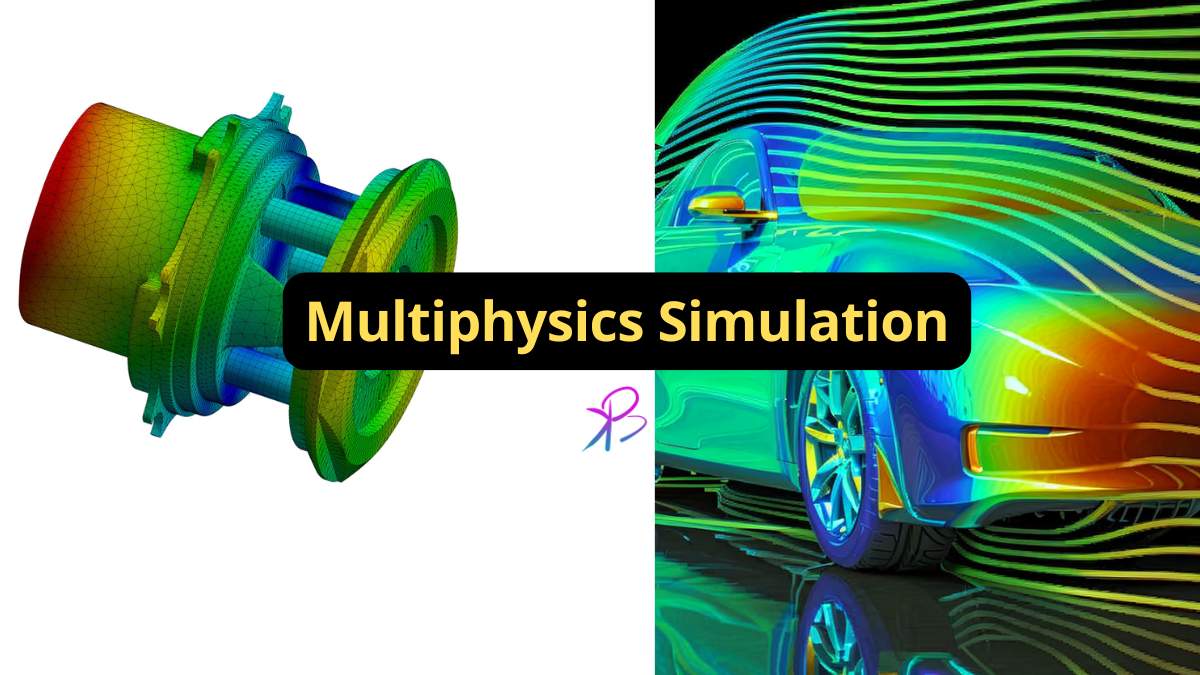
What is Multiphysics Modeling

MultiPhysics Modeling is a transformative computational approach that allows engineers and scientists to simulate multiple physical phenomena—such as heat transfer, fluid dynamics, structural mechanics, and electromagnetism—and their interactions within a single system. Unlike traditional single-physics simulations, this method captures the complex interplay of forces at work in real-world scenarios, making it indispensable for designing everything […]

Categories
Blog COMSOL COMSOL General Articles Data Analysis DFT Engineering FEA Research Science simulation

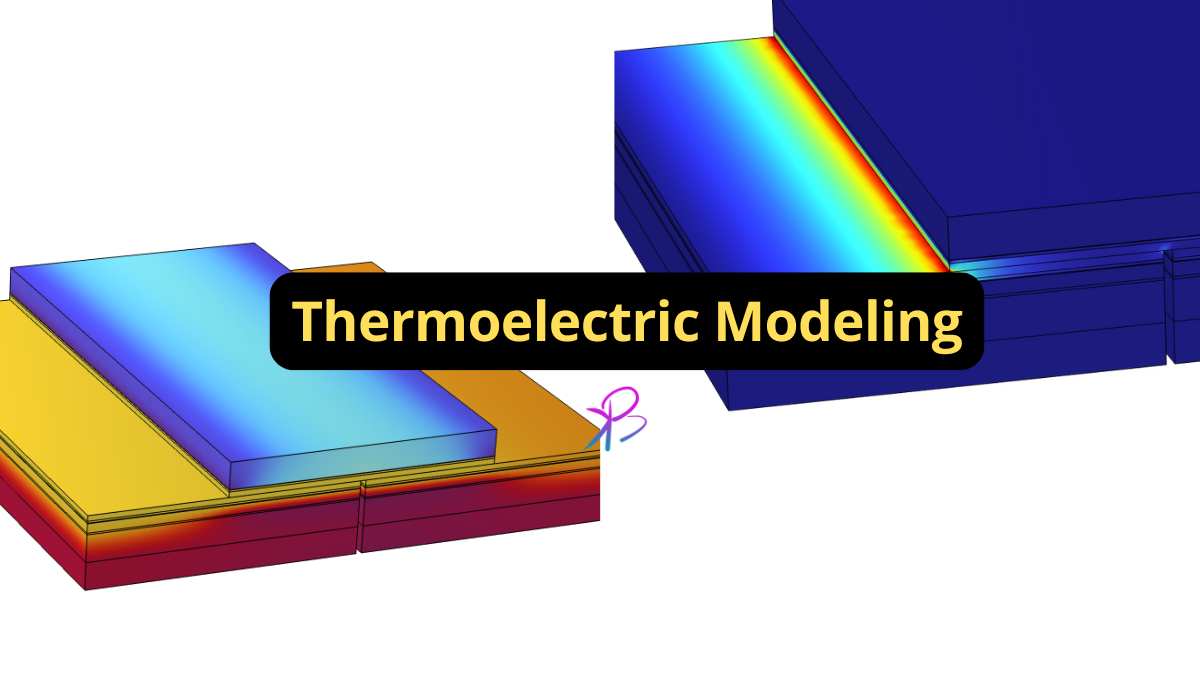
Thermoelectric Modeling in FEA

Thermoelectric modeling involves simulating the direct conversion of heat energy into electrical energy (and vice versa) using numerical methods like Finite Element Analysis (FEA). This approach enables engineers and researchers to design, optimize, and validate thermoelectric devices such as thermoelectric generators (TEGs), Peltier coolers, and energy harvesting systems. FEA helps in solving complex multi-physics interactions […]

Categories
Blog FEA Research Research Work simulation

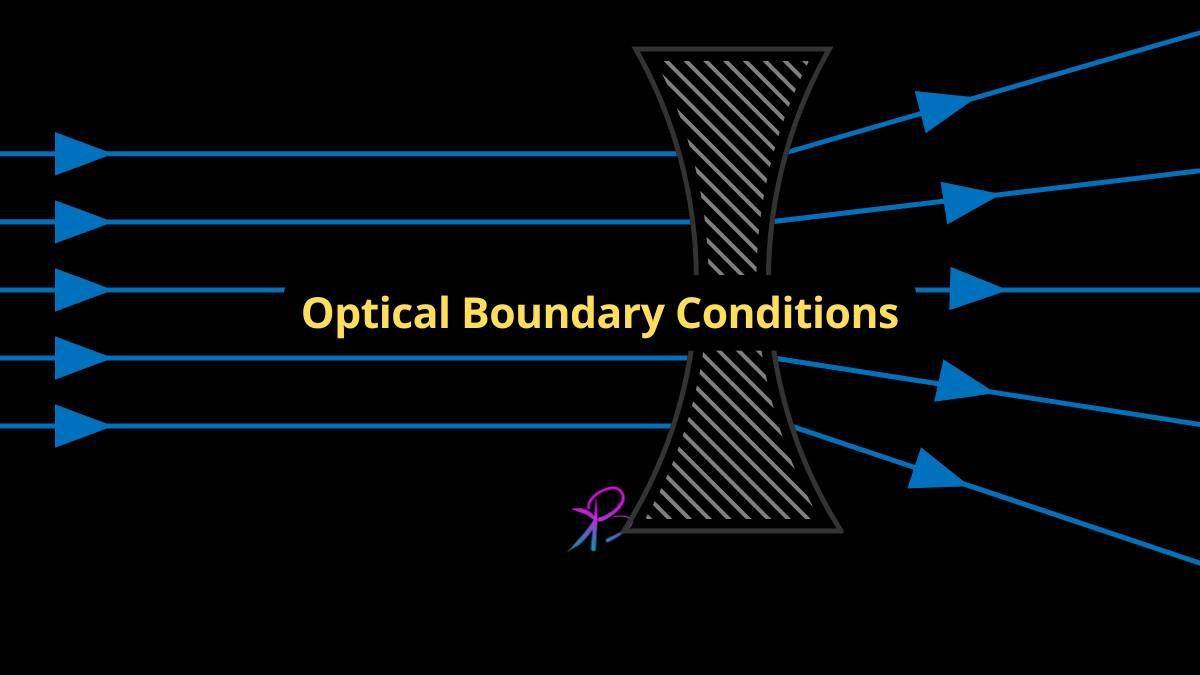
Optical boundary conditions in Numerical Simulations

Optical boundary conditions in finite element analysis (FEA) simulations are crucial for accurately modeling electromagnetic wave propagation, reflection, refraction, and absorption at material interfaces. These boundary conditions define how light interacts with the edges of the simulation domain, preventing nonphysical reflections and ensuring realistic wave behavior. need to discuss? Contact us ⬇️ In FEA simulations, […]

Categories
Blog FEA Research Work simulation

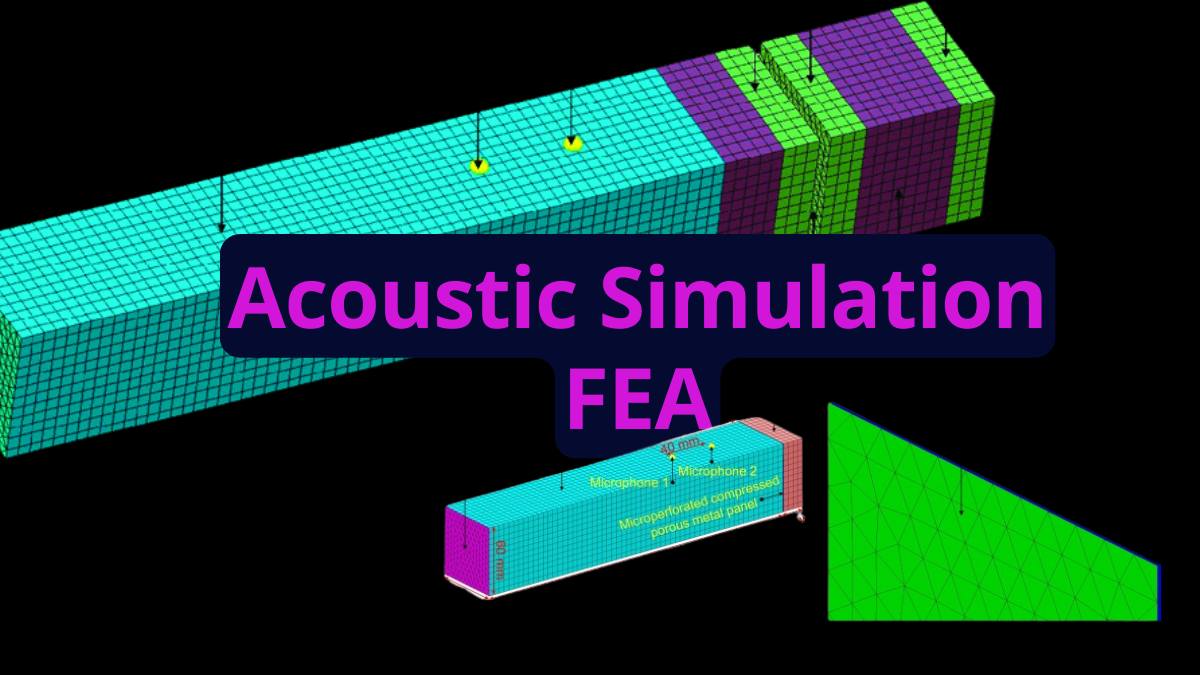
Acoustic Simulation of Sound-Absorbing Materials with Finite Element Analysis (FEA)

Sound-absorbing materials are essential in acoustics engineering for reducing noise, controlling reverberation, and improving sound quality in various environments. Finite Element Analysis (FEA) is widely used to model and optimize these materials to predict their performance under different conditions. Properties of Sound-Absorbing Materials Sound-absorbing materials work by converting sound energy into heat through mechanisms such […]

Categories
Blog Research Work simulation

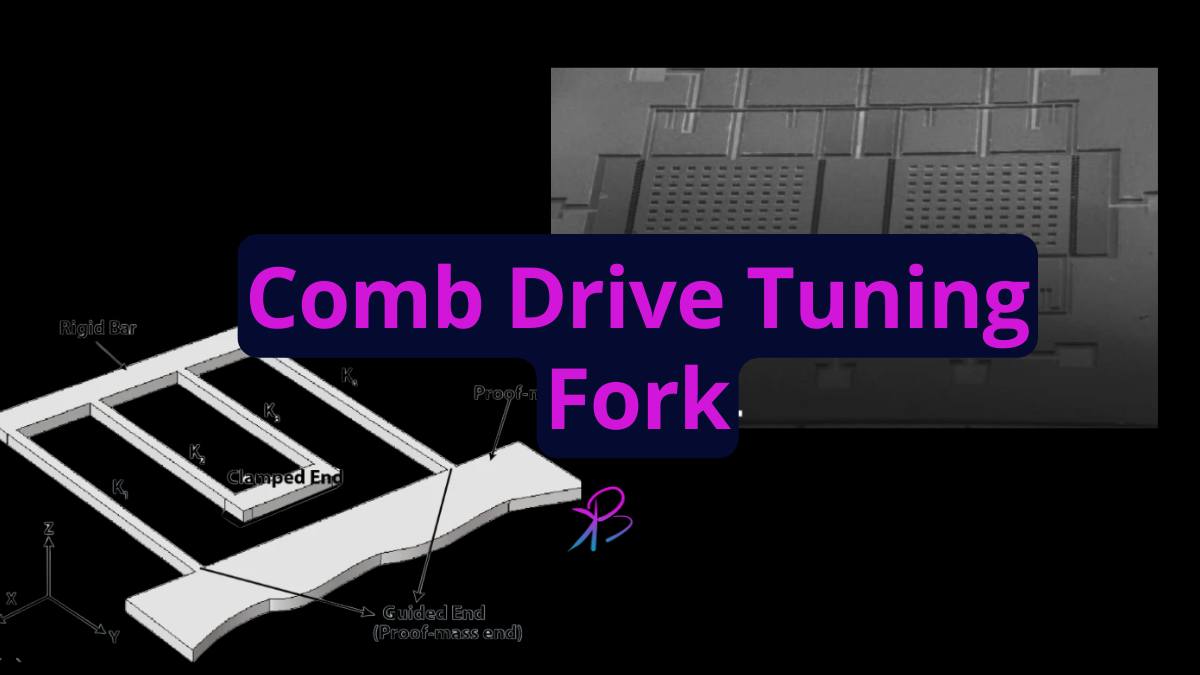
The Science Behind Comb Drive Tuning Fork Rate Gyroscopes: Precision in Motion Sensing

Introduction In an era where precision motion sensing is the backbone of modern technology, gyroscopes have become indispensable. From guiding aircraft and missiles to stabilizing the camera in your smartphone, these devices help track rotation with remarkable accuracy. Among various gyroscope designs, MEMS-based Comb Drive Tuning Fork Rate Gyroscopes (TFRGs) stand out. They are small, […]

Categories
Research Atomic Blog Engineering ML & AI simulation

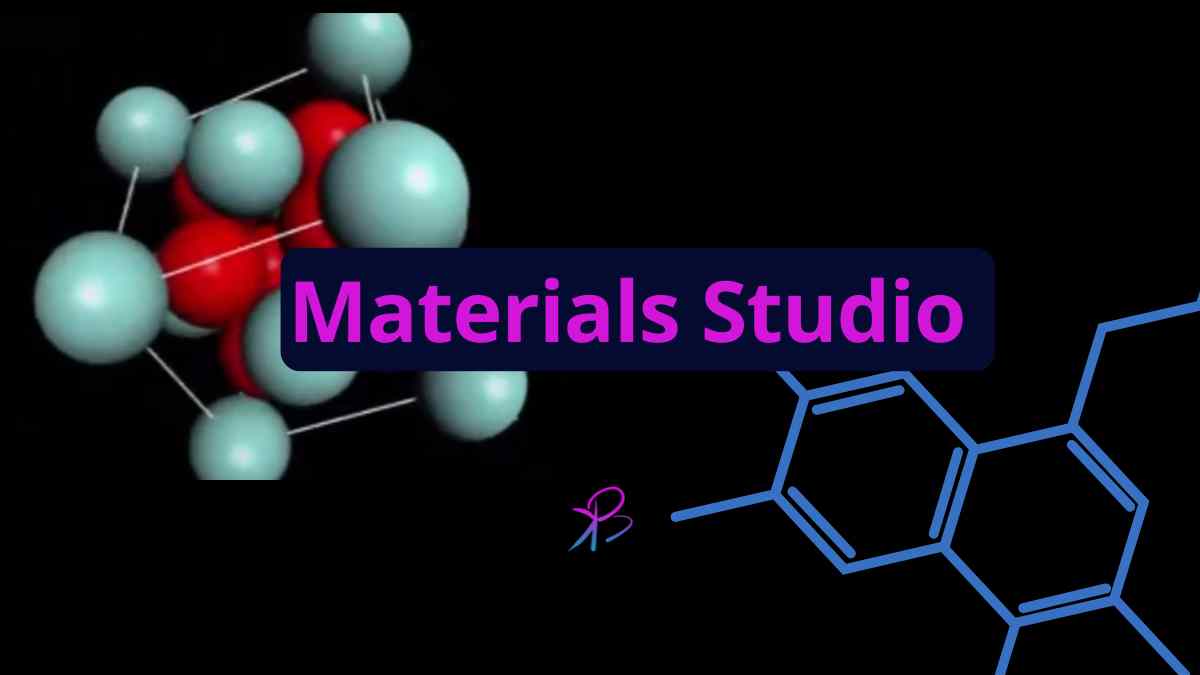
New Features of BIOVIA Materials Studio 2024

BIOVIA Materials Studio has long been a cornerstone for researchers and scientists working in materials science, offering cutting-edge tools for simulating, designing, and analyzing materials at atomic, molecular, and microscale levels. With the release of Materials Studio 2024, Dassault Systèmes introduces a host of updates and features that promise to enhance research capabilities across diverse […]

Categories
ansys Blog Engineering simulation Software & Apps

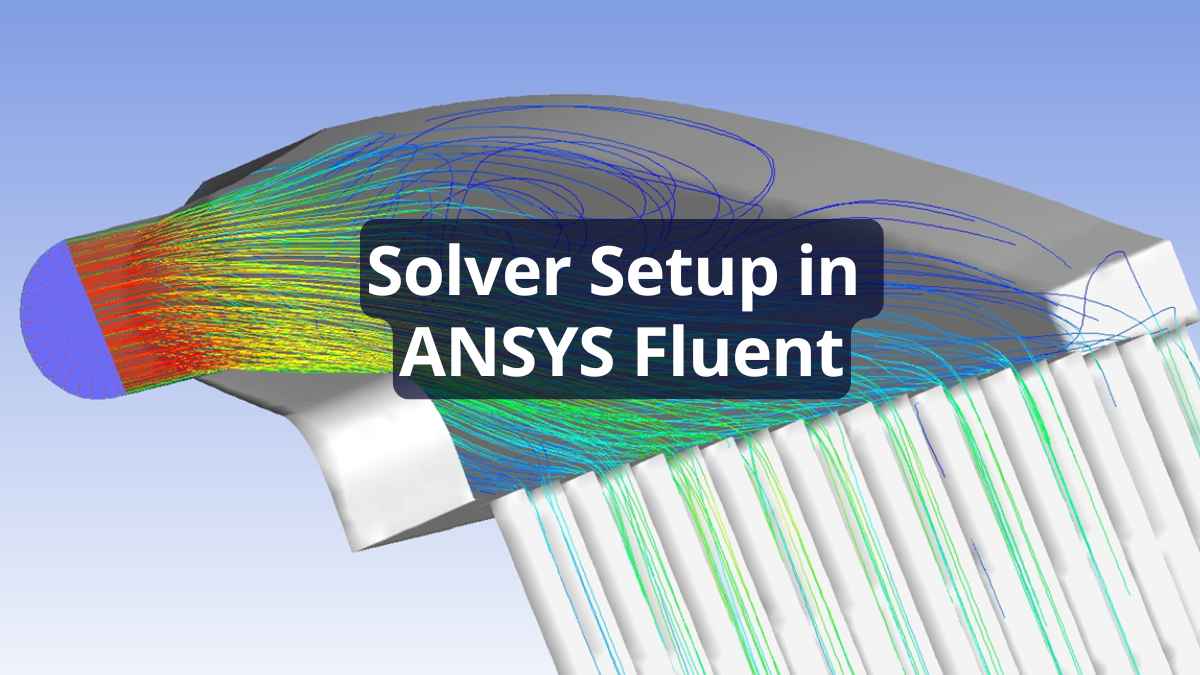
Guide to Solver Setup in ANSYS Fluent

When working with computational fluid dynamics (CFD) simulations, the solver setup in ANSYS Fluent plays a critical role in ensuring accurate and efficient results. Choosing the right configuration can make all the difference in addressing specific flow characteristics, whether dealing with incompressible water flows or high-speed supersonic aerodynamics. This guide explores the essential components of […]

Categories
Blog ansys COMSOL Engineering Research Work simulation

What differs Ansys and COMSOL?

To understand the differences between ANSYS and COMSOL Multiphysics, let’s explore their features, functionalities, and strengths across multiple parameters. Remember, these are based on my personal understanding, you can use any of the tool with your experience and use your custom workflow to achieve your desired result but this particular article is just a general […]