Categories
Blog General Knowledge Science

Interesting – NASA Top Facts

Formation: NASA, the National Aeronautics and Space Administration, was established on July 29, 1958, by President Dwight D. Eisenhower in response to the Soviet Union’s launch of Sputnik 1 in 1957. Mission: NASA’s mission is to pioneer the future in space exploration, scientific discovery, and aeronautics research. Human Spaceflight: NASA has been responsible for several […]

Categories
Blog Physics Science

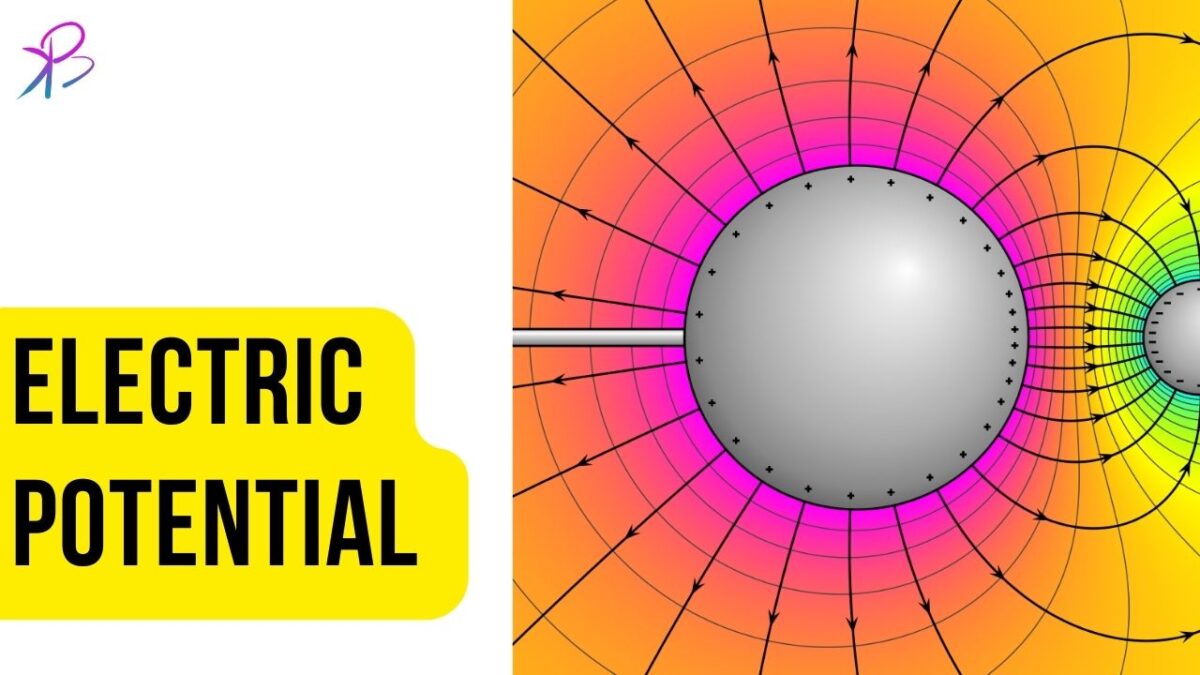
Everything about Electric potential

Electric potential is a fundamental concept in the study of electricity and is essential in understanding the behavior of electric charges. It is a scalar quantity that describes the amount of work that is required to move a charged particle from one point to another in an electric field. subscribe us for email update for […]

Categories
Blog Research Science

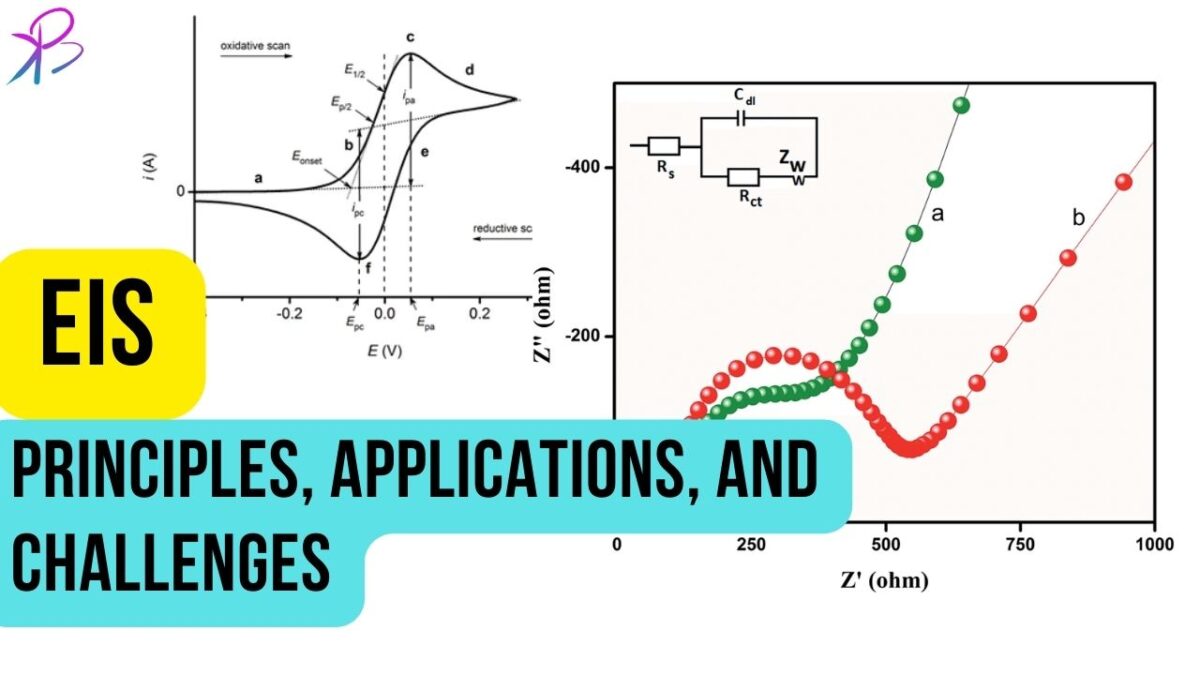
Electrochemical Impedance Spectroscopy (EIS): Principles, Applications, and Challenges

IntroductionDue to its capacity to provide important insights into the electrochemical behaviour of many materials and systems, electrochemical impedance spectroscopy (EIS), a potent and adaptable analytical method, has attracted a lot of interest recently. EIS has been used in a variety of industries, including biosensors, corrosion research, and energy storage and conversion, among others. This […]

Categories
Blog Physics Research Science

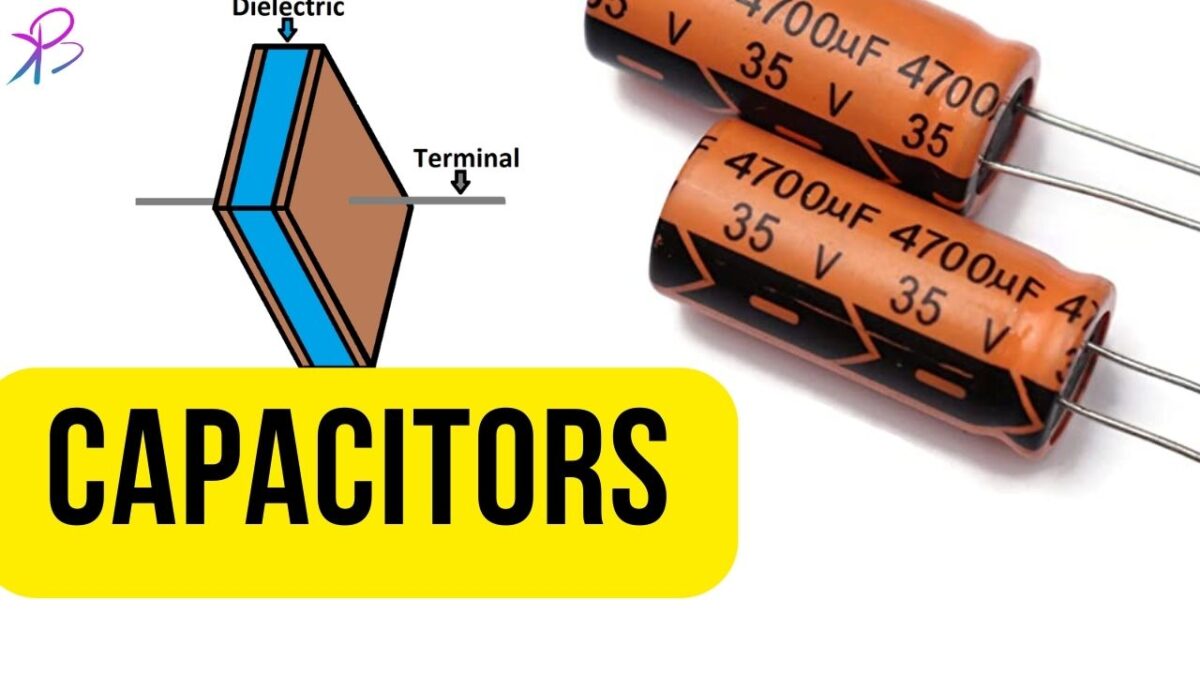
Everything about capacitors

Capacitors are essential parts of electronics that are used in many different circuits and applications. Even though capacitors are simple, they have the unique ability to store and release electrical energy. This is important for tasks like filtering, storing energy, regulating voltage, and connecting signals. This article will talk about how capacitors work, the different […]

Categories
Blog DFT Research

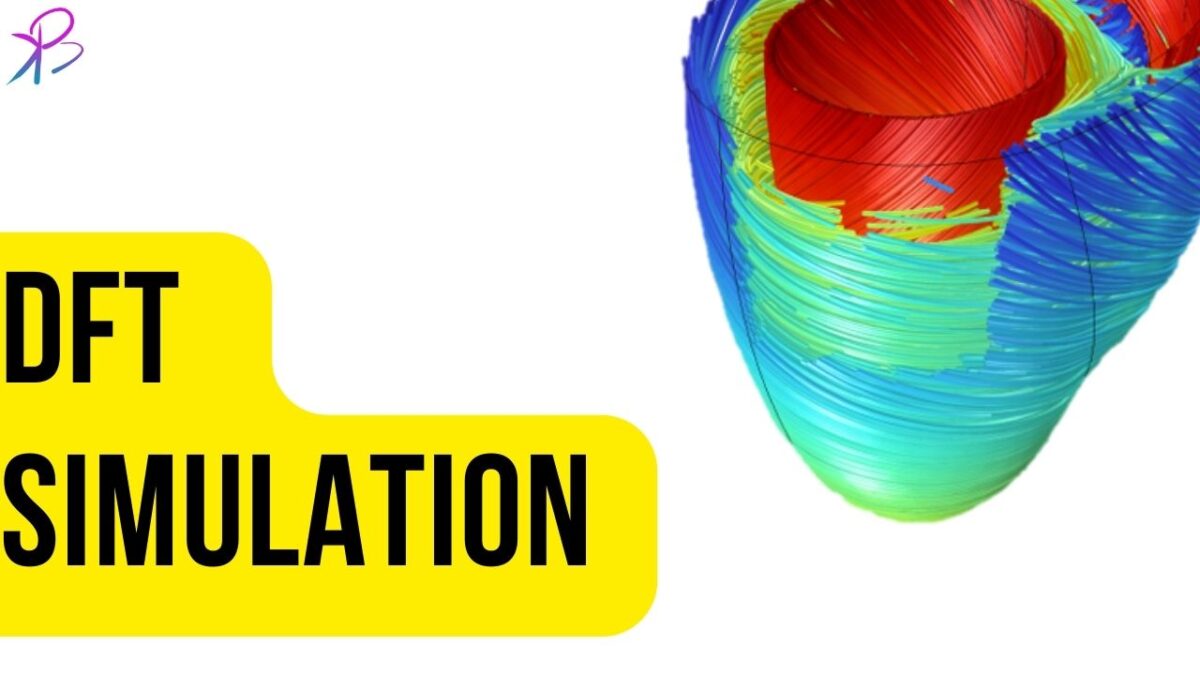
A Complete Look at Density Functional Theory Simulation (DFT)

Density Functional Theory Simulation In the fields of quantum chemistry and condensed matter physics, the Density Functional Theory (DFT) has become a powerful and widely used computational tool. This theory has changed how scientists model and predict the electronic, structural, and magnetic properties of atom-sized materials. The goal of this article is to give an […]

Categories
Blog COMSOL COMSOL General Articles Research

Create Parameters easily in COMSOL Multiphysics

In this blog post, I will be discussing an important feature of COMSOL that you might not be aware of. Specifically, I will be showing you how to Create Parameters easily in COMSOL easily, which can save you a lot of time and effort. Firstly, let me explain what parameters are. In COMSOL, a parameter […]

Categories
Blog COMSOL COMSOL General Articles Physics Research

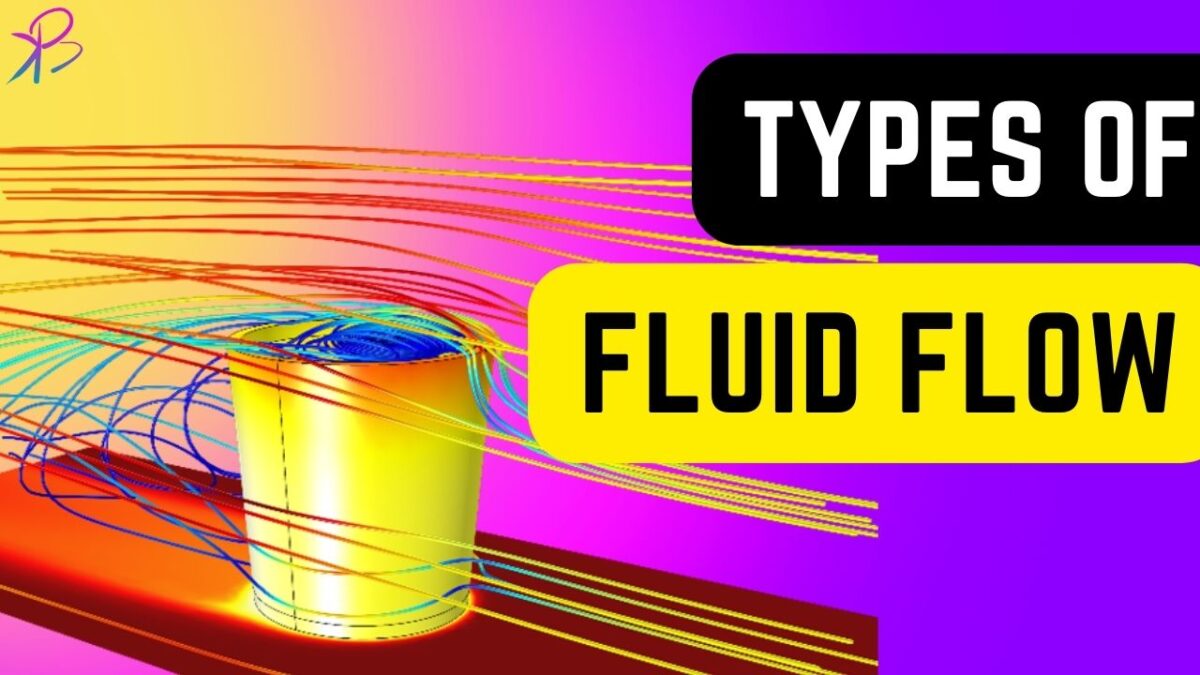
Types of fluid flow studies

The movement of liquids, gases, and other fluids through a system or space is studied as fluid flow. There are different forms of fluid flow, and each has special traits, behaviours, and uses. We shall look at the many types of fluid flow and their characteristics in this post. Stable Flow When a fluid is […]

Categories
Blog COMSOL COMSOL General Articles Physics Research

BH curve simulation

An essential property of magnetic materials that defines how they react to variations in magnetic fields is the BH curve, commonly referred to as the hysteresis loop. When a magnetic material is exposed to a changing magnetic field, the connection between magnetic field intensity (H) and magnetic flux density (B) is shown on the curve. […]

Categories
Blog COMSOL COMSOL General Articles Research

Easy Problems in COMSOL Multiphysics

COMSOL Multiphysics is a powerful software tool that allows users to simulate and solve complex physical problems across a wide range of engineering and scientific disciplines. While it is designed to solve complex problems, there are also some relatively simple problems that can be solved using COMSOL Multiphysics. Here are some examples: Heat transfer: COMSOL […]

Categories
Blog COMSOL Research

Electrochemical impedance spectroscopy – EIS simulations

Electrochemical impedance spectroscopy (EIS) is a potent method for studying the electrochemical characteristics of a broad variety of materials, including metals, polymers, and biological substances. EIS examines the electrical response of a material to a sinusoidal voltage signal delivered across a frequency range of generally 0.01 Hz to 1 MHz. The resultant impedance spectra may […]